Post-Traumatic Stress Disorder (PTSD) is a complex condition that develops after experiencing or witnessing a traumatic event. While psychotherapy is a cornerstone of PTSD treatment, medications can also play a significant role in managing symptoms. This guide provides an overview of the pharmacologic treatments available for PTSD.
Key Considerations in Treating PTSD with Medication
When deciding on a treatment approach, several factors are considered:
- Timing: Is the trauma recent (Acute Stress Disorder) or has it developed into PTSD?
- Type: Is it classic PTSD or Complex PTSD, which often involves prolonged trauma and additional symptoms like deep shame or guilt?
- Symptoms: Medications often target specific symptoms such as nightmares, flashbacks, hypervigilance, or negative mood changes.

FDA-Approved Medications for PTSD
Currently, only two medications are FDA-approved for PTSD:
- Sertraline (Zoloft):
- Best for addressing depressive symptoms like guilt and shame.
- Often effective for younger male patients but works well for many populations.
- Paroxetine (Paxil):
- Especially helpful for hyperarousal symptoms like irritability and hypervigilance.
- Known for its sedative properties, which can help with anxiety.
Off-Label Medications Commonly Used
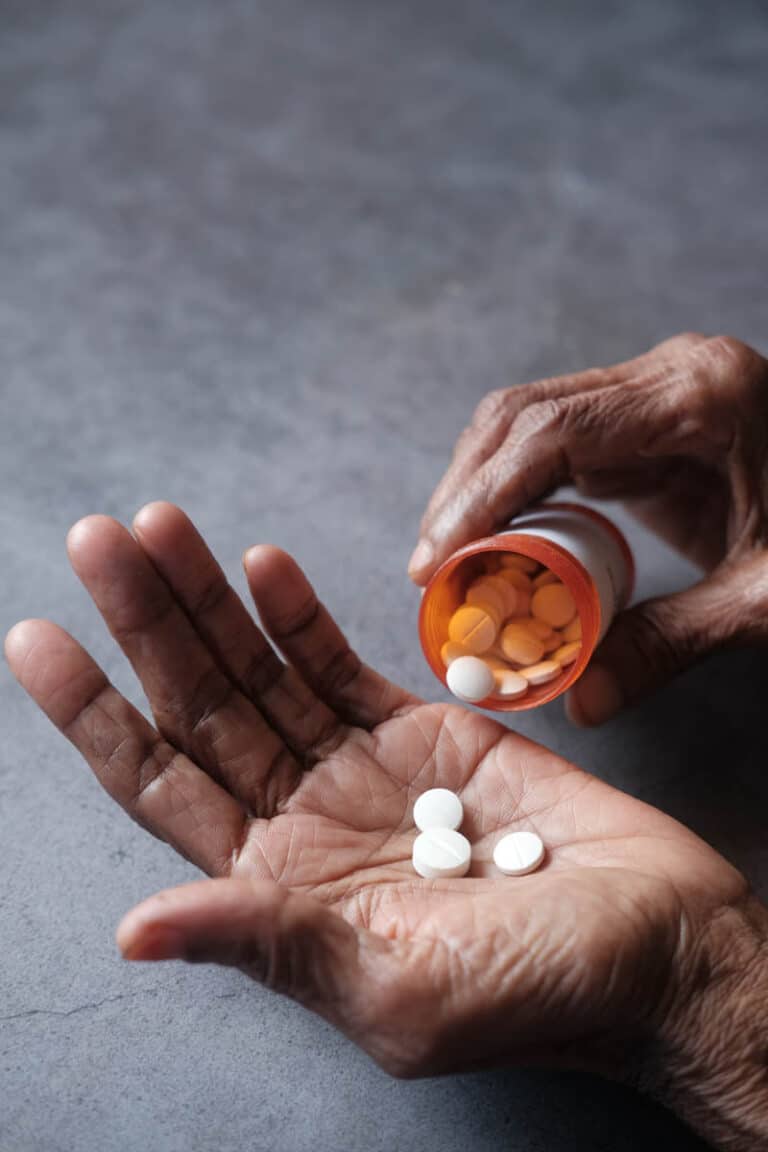
Many other medications, though not specifically approved for PTSD, are frequently used due to their effectiveness:
- Other SSRIs (Selective Serotonin Reuptake Inhibitors):
- Medications like fluoxetine (Prozac) and citalopram (Celexa) share mechanisms with sertraline and paroxetine and may be effective.
- SNRIs (Serotonin-Norepinephrine Reuptake Inhibitors):
- Medications like venlafaxine (Effexor) and duloxetine (Cymbalta) target both serotonin and norepinephrine.
- Duloxetine is especially helpful for patients with chronic pain alongside PTSD.
- Alpha Blockers (e.g., Prazosin):
- Effective for reducing nightmares and flashbacks by targeting overactive stress responses.
- Beta Blockers (e.g., Propranolol):
- Helps manage physical symptoms like a racing heart and hypervigilance, reducing anxiety in triggering situations.
- Mirtazapine (Remeron):
- Useful for improving sleep at lower doses and addressing depressive symptoms at higher doses.
Medications to Use with Caution
- Tricyclic Antidepressants (TCAs):
- Effective but carry risks, especially for individuals with suicidal ideation due to potential cardiotoxic effects.
- Benzodiazepines (e.g., Xanax, Klonopin):
- Short-term use may reduce anxiety but can worsen PTSD symptoms in the long term by impairing emotional processing and increasing hyperarousal in-between dosing.
Emerging Treatments and Research
- Low-Dose Corticosteroids:
- Early research suggests that administering steroids like hydrocortisone shortly after trauma may reduce the risk of PTSD developing.
- Ketamine:
- Shows promise for rapid antidepressant effects when combined with psychotherapy.
- MDMA-Assisted Psychotherapy:
- Explored for its potential to enhance emotional processing during therapy.
- New Medications:
- Studies are investigating second-generation antipsychotics (e.g., aripiprazole) and other innovative treatments.


Challenges in Medication Use
- Side Effects: Common issues include nausea, headaches, sleep disturbances, and sexual dysfunction.
- Treatment Resistance: Up to 40% of patients may need a combination of medications and psychotherapy to achieve relief.
- Co-occurring Conditions: Depression, anxiety, and substance use disorders often complicate treatment plans.
The Importance of Combining Medications with Psychotherapy
Medications alone rarely address all aspects of PTSD. Combining them with trauma-focused psychotherapies such as Cognitive Behavioral Therapy (CBT) or Eye Movement Desensitization and Reprocessing (EMDR) provides the best outcomes.
A Message of Hope
PTSD can feel overwhelming, but effective treatments exist. Whether through medication, therapy, or both, you can regain control and move toward healing. If you’re unsure about your options or experiencing persistent symptoms, consult a healthcare professional to tailor a treatment plan that works for you.